
1
/
of
1
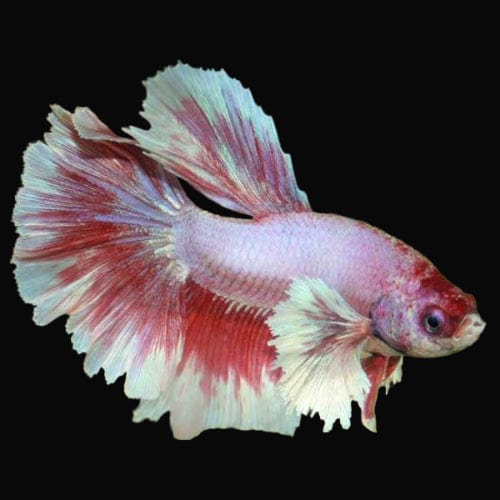
Betta halfmoon dumbo ear male - colors vary
Betta halfmoon dumbo ear male - colors vary
Regular price
$18.99 USD
Regular price
Sale price
$18.99 USD
Unit price
/
per
Shipping calculated at checkout.
Couldn't load pickup availability
Betta halfmoon dumbo ear males are solitary fish and must be housed alone. They are aggressive toward other bettas and most tank mates, particularly during feeding or breeding season.
Compatible tank mates are limited to peaceful, fast-moving species that won't trigger aggression or fin-nipping. Good options include small tetras, rasboras, corydoras catfish, and kuhli loaches in established tanks of 20+ gallons. Avoid slow-moving fish, long-finned species, and anything resembling another betta.
Feed a varied diet of high-quality betta pellets, frozen bloodworms, and occasional live foods like daphnia or mosquito larvae. Feed once or twice daily, offering only what they consume in 2–3 minutes. Bettas have small stomachs and overfeeding leads to bloating and poor water quality.
Water conditions matter: maintain 76–82°F, pH 6.5–7.5, and perform weekly 25% water changes. Plants, caves, and hiding spots reduce stress and aggression. Monitor closely when introducing tank mates—remove the betta immediately if aggression occurs.
View full details
Compatible tank mates are limited to peaceful, fast-moving species that won't trigger aggression or fin-nipping. Good options include small tetras, rasboras, corydoras catfish, and kuhli loaches in established tanks of 20+ gallons. Avoid slow-moving fish, long-finned species, and anything resembling another betta.
Feed a varied diet of high-quality betta pellets, frozen bloodworms, and occasional live foods like daphnia or mosquito larvae. Feed once or twice daily, offering only what they consume in 2–3 minutes. Bettas have small stomachs and overfeeding leads to bloating and poor water quality.
Water conditions matter: maintain 76–82°F, pH 6.5–7.5, and perform weekly 25% water changes. Plants, caves, and hiding spots reduce stress and aggression. Monitor closely when introducing tank mates—remove the betta immediately if aggression occurs.